
Dock Repair & Rebuilds
Decking, stringers, pilings, framing, and marine-grade hardware - or a full storm rebuild to code.
Most Siesta Key docks don't face the Gulf - they sit on the bay side, on the Grand Canal and Roberts Bay, where Big Pass tides, salt, and the occasional storm surge work them hard. We repair and rebuild Siesta docks, lifts, and seawalls to stand up to exactly that. The on-site quote is free.
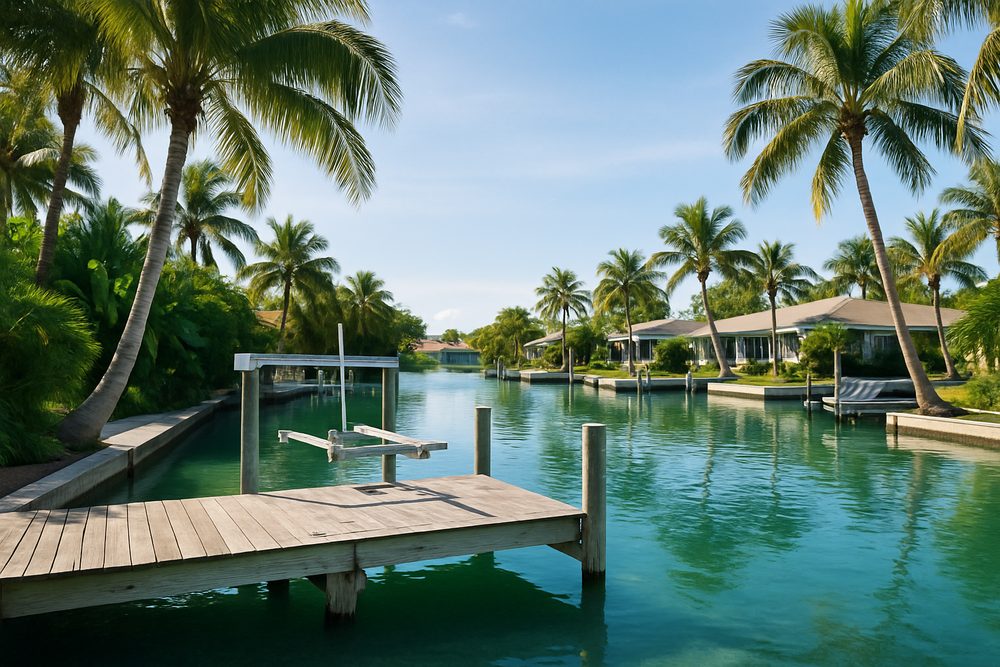
We provide professional dock, boat lift, and seawall repair services throughout Siesta Key, Florida, serving the barrier island's canals, Intracoastal frontage, and open-bay properties. Our work covers inspections, structural repairs, full replacements, boat lift servicing, and seawall restoration for both residential and investment properties across the Key. Reach out for a free consultation and we'll assess your waterfront the right way.
Siesta Key is a barrier island off the coast of Sarasota, separated from the mainland by the Intracoastal Waterway and laced internally with a network of residential canals that push saltwater into almost every neighborhood. The island draws a mix of longtime Florida families, seasonal residents from the Midwest and Northeast, and a growing share of full-time retirees who have invested heavily in their waterfront properties. The result is a community where the dock and seawall are not incidental features - they are central to why people own property there in the first place. A boat lift that fails or a seawall that begins to lean outward is not a minor inconvenience; it is a direct threat to the property value and the lifestyle that justified the purchase.
The housing stock on Siesta Key spans several decades. Many of the canal-front homes date to the 1960s and 1970s, when the island was platted and developed with an eye toward maximizing waterfront access. Original seawalls from that era were commonly built with steel sheet piling or older concrete designs that were adequate for their time but were never intended to carry fifty or sixty years of tidal cycling, storm surge, and the persistent chemical attack of saltwater. More recent construction brought newer materials, but even homes built in the 1990s and early 2000s are now old enough to show meaningful wear. Understanding the age and original construction of a structure before quoting any repair is the first step a knowledgeable contractor takes on this island.
The conditions on Siesta Key are about as demanding as a marine environment gets in the continental United States. The Gulf of Mexico side of the island faces open-water wave action, wind fetch, and seasonal hurricane-force conditions. The canal and Intracoastal side deals with a different but equally punishing set of factors: tidal fluctuation that cycles structures through wet and dry repeatedly every day, boat wake from active boating channels, and a salinity level that accelerates the corrosion of any ferrous metal and the degradation of untreated wood. Humidity on the island rarely drops to a level that allows timber to fully dry, which means fungal decay and marine borers are persistent threats to any wooden dock component.
Hurricane season runs from June through November and the Key has experienced direct and near-direct storm impacts over the years. Even storms that make landfall elsewhere send significant surge and wave energy across the shallow flats surrounding Siesta Key, which can shift seawall panels, snap dock pilings, and torque boat lift frames without the storm ever making a direct hit. Many property owners discover damage in the days after a storm passes and find themselves competing for contractor time with dozens of neighbors who are dealing with the same problem. Scheduling an inspection before the season starts - rather than after - is a practice that experienced Siesta Key waterfront owners have learned to follow. Our services page outlines the full scope of what we address.
Seawall failure is the single most common structural concern on Siesta Key, and the pattern of failure follows a predictable path. Salt water works through the smallest crack in a concrete cap, attacking the reinforcing steel inside. As the steel rusts it expands, widening the crack and allowing more water to enter. Simultaneously, tidal action draws sand and fill from behind the wall through any gap at the base, creating voids that reduce the support behind the panel. The wall begins to tilt toward the water, the cap cracks further, and the yard behind it starts to settle or sink. Homeowners often notice the yard sinkage or the leaning cap long before they understand what is causing it.
Dock deterioration on the canals takes several forms. Pressure-treated timber decking and stringers absorb the repeated wet-dry cycling and eventually check, splinter, and soften. Concrete pilings, which are common on Siesta Key because of their resistance to marine borers, can develop hairline cracks at the waterline where freeze-thaw is not an issue but the constant wetting and exposure to chlorides is. Steel hardware - lag bolts, through-bolts, dock cleats, and lift motor mounting hardware - corrodes at a rate that surprises owners who are not watching for it. A cleat that looks solid from above can be held by bolts that have lost most of their effective cross-section to rust. Replacement hardware in marine-grade stainless steel or hot-dipped galvanized is always specified in quality repairs here.
Boat lift problems on the Key range from routine cable and pulley servicing to full cradle replacements and motor failures. The combination of salt air, constant moisture, and heavy use means that lift components have a shorter effective service life here than they would in a freshwater or low-salinity environment. Cradle bunks wrapped in carpet or synthetic material eventually compress and lose their profile, which allows the hull to sit unevenly and can cause cosmetic or structural damage to the boat over time. Owners with larger vessels, particularly those running center-console or bay boats in the 25 to 35 foot range that are common on the Key, put meaningful loads on their lifts and find that deferred maintenance becomes expensive quickly.
Working on Siesta Key requires familiarity with Sarasota County's permitting process, which governs seawall replacements and significant dock construction or modifications. Permits through the county building department are typically required for new dock structures, seawall replacements, and boat lift installations above a certain size. In addition, work that extends into or over the water may require coordination with state environmental agencies depending on the scope and the specific location. An experienced contractor who works regularly in Sarasota County understands which projects trigger which reviews and can guide a homeowner through the process without unnecessary delays. Trying to complete unpermitted structural work on Siesta Key is a risk that can surface at resale, when a buyer's inspector or title attorney flags the improvement.
Physical access on the Key's narrow canal lots can be tight. Many homes have minimal side yards, meaning that getting machinery close enough to do seawall work or piling installation requires planning. Barge-based or water-access equipment is sometimes the practical answer on Siesta Key, particularly on lots where the canal is the only clear approach. Contractors who have worked the island's canals know which equipment configurations are effective and which waste time. For answers to common logistics questions, our FAQ page covers many of the typical access and timing concerns.
A proper engagement on Siesta Key begins with a thorough inspection - not a cursory walk along the dock, but a systematic review that includes probing wood components for soft spots, checking hardware torque, inspecting the seawall cap for cracking and the panel face for bowing or voiding behind it, and reviewing the boat lift frame for corrosion, alignment, and cable condition. After the inspection, the homeowner receives a clear written assessment of what is found, what is urgent, and what can reasonably be deferred.
Once scope is agreed upon and permits are pulled where required, the work sequence on a seawall repair typically involves stabilizing any void behind the wall by pressure-grouting or installing tie-back anchors, repairing or replacing compromised cap sections, and sealing cracks with marine-grade products. A full seawall replacement involves removing the old panels, driving new sheet piling or concrete panels, forming and pouring a new cap, and backfilling properly. Dock work follows a similar staged approach: remove damaged decking to expose the structure below, assess and replace compromised stringers and pilings, install new decking with proper fastener spacing, and complete hardware installation. Homeowners should expect honest timelines that account for material lead times and county inspection scheduling - a contractor who promises an unrealistically fast turnaround on a permitted seawall replacement is not being straightforward. See the full range of what we handle on our services page.
One of the most common mistakes Siesta Key waterfront owners make is patching the cap of a failing seawall without addressing the void behind it. A fresh concrete cap on a wall with significant fill loss behind it will crack again, often within a single storm season. Another is using interior-grade or non-marine fasteners in repairs, which corrode visibly within months in the salt air environment and create new failure points. A third mistake is deferring a boat lift inspection until something breaks - by the time a cable snaps or a motor seizes, secondary damage to the lift frame or hull is often already in progress.
Homeowners should also be cautious about contractors who do not pull permits for work that clearly requires them. On Siesta Key, where property values are high and buyer scrutiny is thorough, unpermitted work is a real liability. Always ask to see evidence that required permits have been applied for before work begins. Our team serves communities across the region - see the full areas we serve for reference.
The combination of the island's age, its marine environment, and the investment value of its waterfront properties makes professional, properly credentialed waterfront repair work essential rather than optional here. A Siesta Key dock or seawall is not a DIY project - the structural loads, the regulatory requirements, and the speed at which salt-environment failures escalate all demand someone who knows exactly what they are looking at. Property owners on the Key who have tried to manage waterfront repairs through general contractors or handymen have frequently found themselves revisiting the same problems within a few years, spending more in the long run than a proper initial repair would have cost.
The island's real estate market is active, and waterfront homes sell with their marine structures under the microscope. A well-maintained seawall and a fully functional boat lift are genuine selling points; a failing wall or a condemned dock structure can reduce a property's market value by far more than the cost of the repair. Homeowners planning to sell within a few years are well-advised to address deferred waterfront maintenance proactively. Contact us for a free consultation to understand what your waterfront needs and what it will take to get there.
Siesta Key's canal network connects at multiple points to the broader waterway system that serves the surrounding communities. Properties on the bayside of the Key look across to the south Sarasota mainland, and many of our customers on the Key also own or manage properties in the adjoining areas along the Intracoastal. Our work extends throughout Sarasota County and into the communities that share the same waterway system - the areas we serve page covers the full range of our service territory. Wherever you are on or near the water in this part of Southwest Florida, the conditions that affect Siesta Key properties are largely the conditions that affect your waterfront as well.
Decking, stringers, pilings, framing, and marine-grade hardware - or a full storm rebuild to code.
Cables, bunks, motors, and gearboxes serviced or replaced - or a new lift sized to your boat and water depth.
Cap repairs, cracked panels, tie-back anchors, and rip-rap that stop the erosion before it takes the yard.
Piling repair and wraps, dock lighting and lift wiring, plus maintenance plans that catch trouble early.
A visibly leaning seawall on a Siesta Key canal is a serious structural warning, but whether it requires emergency action depends on the degree of lean and whether there is active void loss behind the panel. If the yard behind the wall is settling or showing sinkholes, that indicates fill is actively moving and the situation should be assessed immediately. In most cases a prompt professional inspection - within days, not weeks - is the right call to determine how quickly intervention is needed.
On Siesta Key, a well-constructed concrete seawall can last 30 to 50 years, but many walls built during the canal development era of the 1960s and 1970s are already at or beyond that range. Salt water, tidal cycling, and the corrosion of internal reinforcing steel all shorten effective service life. Regular inspection every few years - and prompt repair of cap cracks before water penetrates to the rebar - is the most reliable way to extend the life of an existing wall.
It depends on the scope of work. Sarasota County typically requires permits for structural dock repairs, new dock construction, seawall replacements, and boat lift installations above a certain size. Routine maintenance like replacing a few boards or servicing a lift motor usually does not trigger a permit. Because Siesta Key properties are high-value and closely scrutinized at resale, it is always worth confirming with a knowledgeable contractor whether your specific project requires a permit before work begins.
Grinding, squealing, or popping sounds from a Siesta Key boat lift are typically early signs of cable wear, pulley corrosion, or worn motor components. The salt air and constant humidity on the island accelerate corrosion in lift hardware significantly. Catching these sounds early and having the lift inspected before a cable fails or a motor seizes is much less expensive than a breakdown repair and prevents potential hull damage from an uncontrolled lowering of the boat.
Hurricane season creates two scheduling pressures on Siesta Key. First, demand for inspections and pre-season repairs spikes in spring, meaning contractor availability tightens from roughly April through June. Second, post-storm repair demand can be intense and concentrated, sometimes stretching contractor schedules by weeks or months. Having your dock and seawall inspected before the season - ideally in late winter or early spring - is the most practical way to avoid both the rush and the risk of heading into storm season with a marginal structure.
Yes, but access planning matters on Siesta Key's canal lots, where side yards are often limited. Water-access equipment or barge-mounted machinery is commonly used when there is not enough clearance for land-based equipment to reach the waterfront. An experienced contractor who knows the island's typical lot configurations will assess access during the initial consultation and specify the right installation approach, including any coordination needed for staging materials on the water side of the property.

A leaning piling doesn't always mean disaster, but it's never something to ignore. Here's how to read what your pilings are telling you, what causes them to lean in Sarasota's waterways, and when you need to act fast.

Sarasota's heat, humidity, and salt air are brutal on dock decking. Here's what's actually causing your boards to cup, crack, or throw fasteners - and what to do about it before the damage spreads.

King tides push Sarasota's waterways well above normal high-water marks, testing every seawall in ways that ordinary tides never do. Here's what's happening inside your wall during a king tide - and the specific signs that tell you whether it passed or failed.
Get your Siesta Key dock, lift, or seawall looked at before the next big tide. Free, no-pressure on-site quotes - usually within a couple of days.